If you are standing outside your Orlando home with keys nowhere in sight, take a breath and read on. These notes come from real calls, roadside visits, and the small decisions that make a tense lockout calmer and safer. This is both a how-to for a one-off emergency and a https://jsbin.com/xicamazino primer for reducing future disruption and risk around home access in Orlando.
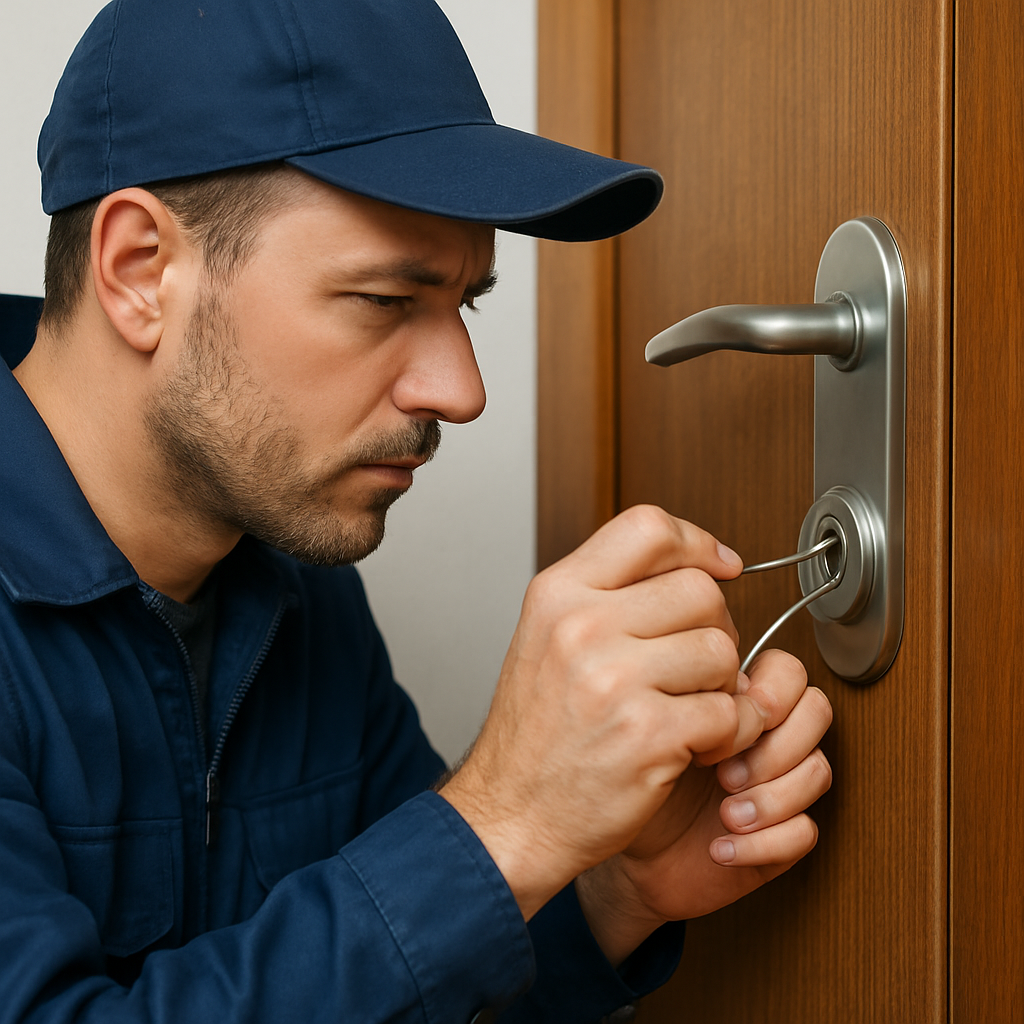
Deciding whether to call a 24 hour locksmith Orlando or try a quick fix
If you can open a window or use an alternate key quickly and safely, you might avoid a service call. If locks look tampered with, a strike plate is bent, or your door is physically damaged, treat the situation as an emergency and call for professional help. If the deadbolt sticks on a humid Orlando morning and you have graphite or a recommended lubricant, a cautious attempt can sometimes free the bolt without damage, but be aware that wrong products can gum the mechanism.
What to look for in a 24 hour locksmith Orlando
Ask for identification, a company name, and a local address before anyone starts work. Insist the locksmith give you an estimate in writing for labor and parts before they proceed, even if it is on a simple service ticket. Check that the number on the technician's truck or card matches the number you called and that the vehicle looks professional and branded.
Why after-hours locksmith calls cost more and how to evaluate the fee
Know that emergency responses late at night commonly include an overtime or after-hours surcharge that raises the total. Because pricing swings by company and neighborhood, think in ranges and ask for the full breakdown to judge reasonableness. If the technician suggests drilling out a cylinder, request a clear explanation of why and whether non-destructive entry is possible plus a cost estimate.
What a professional locksmith will do once they arrive
A professional will identify themselves, verify the job location, and request ID before beginning any work on your door or lock. Following inspection, they should outline the possible methods such as lock picking, cylinder bypass, or controlled replacement and state which they recommend and why. A reliable technician explains what parts they will replace, shows the old parts if removed, and updates you on the timeline and total cost.
What to do immediately after regaining access
If you suspect your keys were stolen or copied, change the locks or rekey the cylinder within days. Document the technician's name, company, and the service receipt, and keep that record for insurance or future warranty questions. Photograph any damage prior to repairs and request an itemized bill so you can compare before-and-after conditions and contest anything unusual.
Preventive moves to avoid a midnight call to a locksmith
Duplicate keys for trusted people and store them in discreet, secure places rather than the obvious plant pot or mat. A code-access deadbolt or smart lock gives flexible entry options, but keep a mechanical backup and understand battery-change procedures. Teach family members a lockout plan: where spares are, who to call, and how to stay safe until help arrives.
How to vet licenses, insurance, and local reputation
Require proof of liability coverage, because a professional should be insured for accidental property damage during service. Use local neighborhood groups and repeat customer comments to assess whether a locksmith consistently performs well and charges transparently. Demand a written receipt and vendor information; if you are met with resistance or evasiveness, decline the service and seek another option.
Low-risk methods an informed homeowner can try
With a spring-latch and patience, using a shim or a thin piece of plastic to depress the latch while pulling the handle can work without harming the mechanism. If you do not have training, leave lock picking to professionals; amateur attempts can create internal damage that proves costly. Avoid destructive options like hammering or prying that could ruin the frame or door and turn a simple call into a reconstruction project.
Where to spend money that actually improves security and convenience
If your door has glass adjacent to the lock, consider a deadbolt solution or reinforced plate to mitigate break-in risk near the latch. Install a high-quality strike and anchor it with long screws so the door resists forced entry and the lock performs as intended. Select a smart lock with backup physical keys or emergency power contacts and maintain battery checks to avoid being locked out because electronics failed.
A short field guide to follow during the first 20 minutes of a lockout
Take a breath, check for unlocked windows or another entry and confirm that attempting access will not put you or others in danger. Call a trusted local 24 hour locksmith or the vetted contact you have recorded rather than the first result you find under time pressure. Once you regain access, decide whether to rekey or replace locks, keep the receipt, and take one or two preventive steps such as adding a keypad or spare key protocol.
One useful takeaway is that a few preventive steps and verifying credentials beforehand typically save money and anxiety in the long run. If you find yourself searching for an emergency locksmith late at night, refer to the guidance here: check credentials, request written costs, and prioritize methods that preserve your hardware. Keep a printed or saved contact for a trusted local locksmith, teach household members the spare key plan, and invest in a few smart deterrents to make future midnight calls rare.